 Kefas Solomon
How to Legally Protect Your Business Online
The Internet has changed how business used to be. With digital marketing and online transactions, cloud storage and video conferencing, technology has brought amazing convenience like never before. These developments has also led to the increase in fraud, cybercrime, data theft, abuse of intellectual property, and electronic forgery in the online businesses space today.
As more companies move online, understanding how to protect your business legally online is no longer a choice, it is a must do. In this article, we will look at important legal steps every business needs to take to stay safe and follow the rules in a digital world.
In this article, we will discuss how to legally protect your business online preventing your business from dangers of data theft, cybercrime, electronic forgery etc. Some of these ways include

Place your order and enjoy same day home delivery 🚚
Hiptiva Power Herbal Supplement for Women's Body Enhancement
Hiptiva Power Herbal Supplement combines maca, akpi and fenugreek for feminine body enhancement, natural curves, physical vitality and hormonal wellness.
Place your order and enjoy same day home delivery 🚚
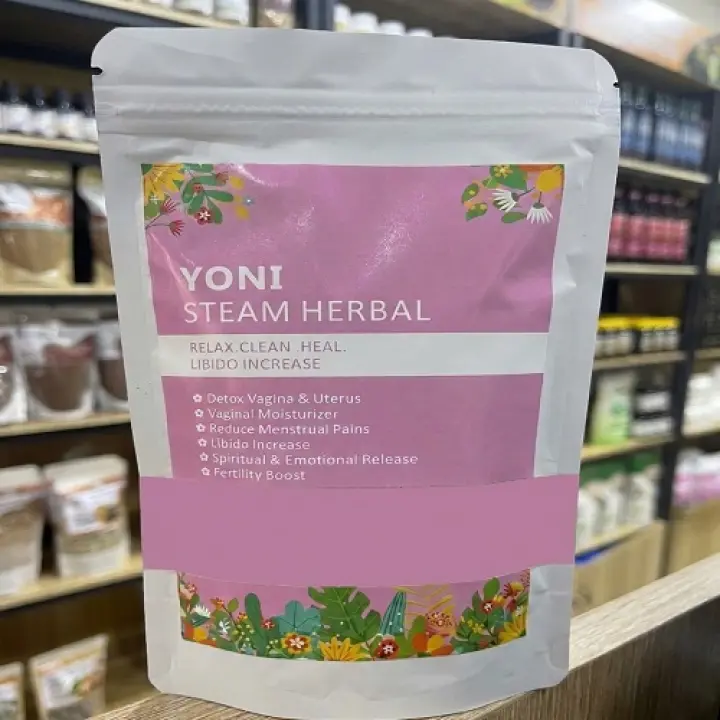
Yoni Steam Herbal in Ghana: Vaginal Care, Menstrual Comfort, Libido, Benefits & Uses
Yoni Steam Herbal in Ghana is a feminine wellness product for vaginal care, intimate relaxation and personal care. Its traditional uses include feminine steaming, mens...

Place your order and enjoy same day home delivery 🚚
HIPTIVA Cream in Ghana: Fenugreek and Maca for Hips and Buttocks
HIPTIVA Cream in Ghana combines fenugreek and maca powders in a herbal body cream for hips and buttocks enhancement. It helps moisturize the skin and provides a smooth...
Place your order and enjoy same day home delivery 🚚
FLO Ovarian Support in Ghana: Hormone Balance, Ovarian Health, Ingredients, Dosage, Benefits & Side Effects
FLO Ovarian Support in Ghana combines 2,000 mg myo-inositol, D-chiro-inositol, DIM and folate to support healthy hormone balance, ovarian function, menstrual cycle reg...
Place your order and enjoy same day home delivery 🚚
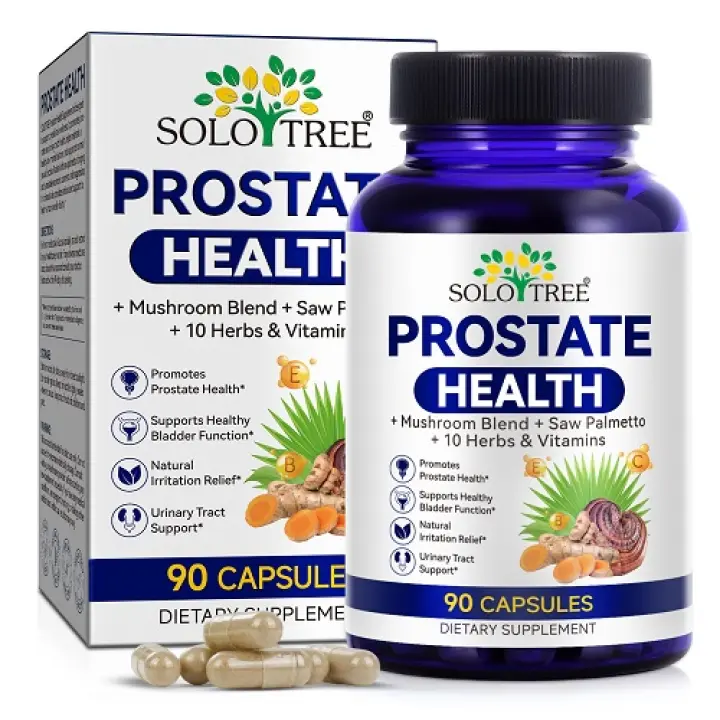
Solo Tree Prostate Health in Ghana: Saw Palmetto & Mushroom Blend Supplement 90 Capsules
Solo Tree Prostate Health in Ghana combines saw palmetto, stinging nettle, reishi and maitake mushrooms, turmeric, green tea, lycopene, zinc and essential vitamins to...

Place your order and enjoy same day home delivery 🚚
Vaginal Itching Treatment Medicine in Ghana
Vaginal itching treatment medications with supplements and herbal medicines containing natural antifungal and antibacterial properties to treat bacterial vaginosis by...
Place your order and enjoy same day home delivery 🚚
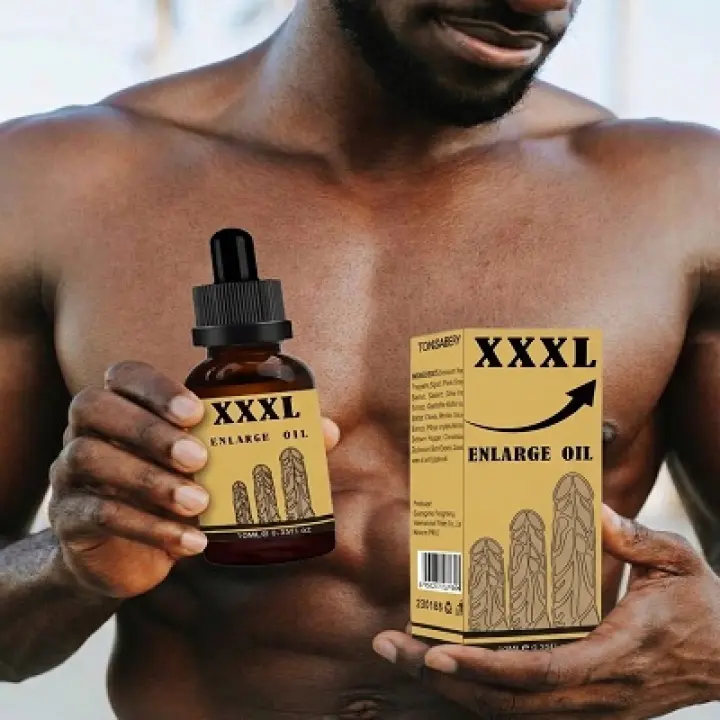
XXXL Enlarge Oil in Ghana for Penis Enlargement & Male Enhancement
XXXL Enlarge Oil in Ghana is a penis enlargement oil formulated with ginseng, ginkgo biloba, horny goat weed, saw palmetto and ginger oil. It is made for men seeking i...

Place your order and enjoy same day home delivery 🚚
Forever Male Fertility Supplements for Men in Ghana
Male fertility supplements for men in Ghana containing Vitolize Men, Multi Maca, and Aloe Berry Nectar that helps sperm production, sperm motility, testosterone balanc...
Place your order and enjoy same day home delivery 🚚
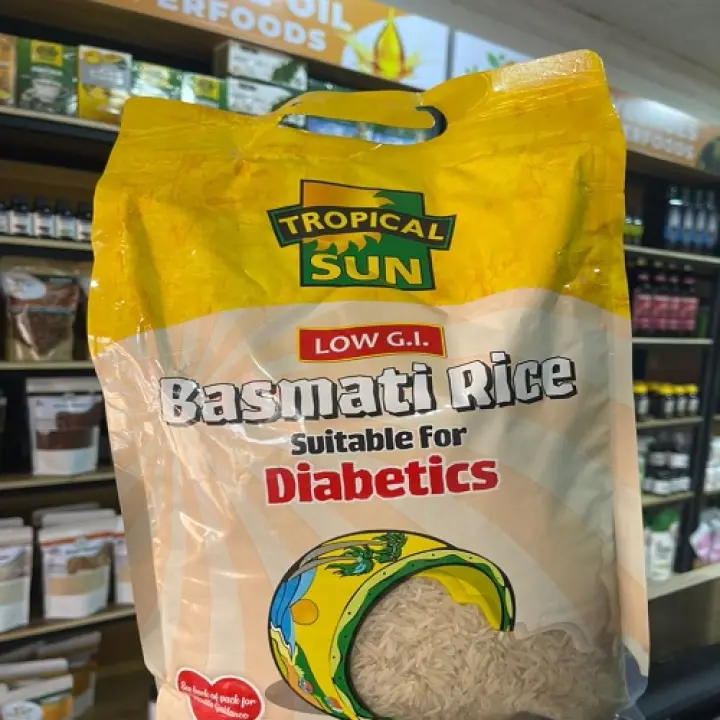
Basmati Rice for Diabetics in Ghana, Benefits & Nutritional Value
Basmati Rice in Ghana, Suitable for Diabetics provides energy and essential nutrients. Learn about its benefits, nutritional value and use for blood sugar management.
Place your order and enjoy same day home delivery 🚚
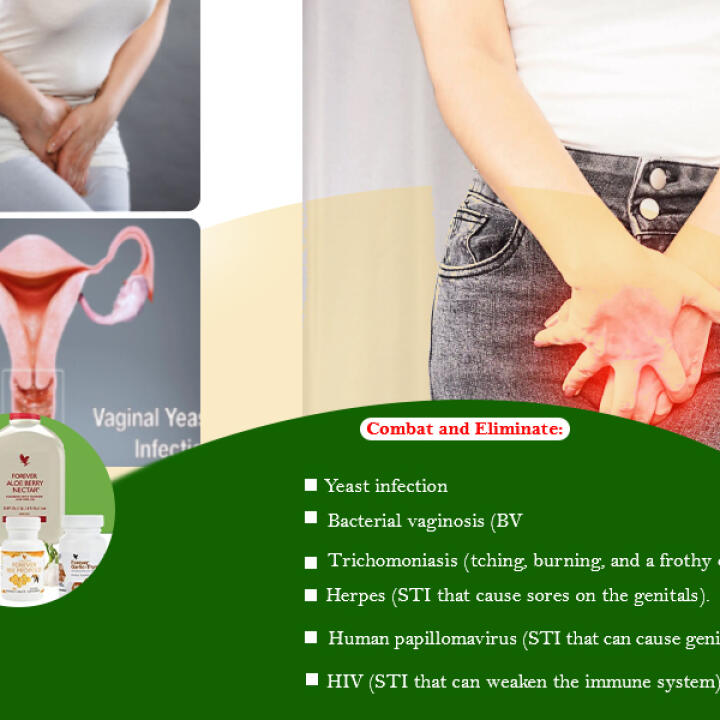
Vaginal Infection Treatment Medicine & Supplements To Restore Balance, Relieve Itching, Odor & Discharge, Ghana
Vaginal infection treatment medication in Ghana with herbal medicines and supplements containing antibacterial, antifungal, and antiviral remedies that target the spec...

Place your order and enjoy same day home delivery 🚚
Osteoarthritis: Symptoms, Causes, Diagnosis & Treatment Medication
Osteoarthritis treatment in Ghana with natural supplements, herbal medicines, and creams for joint pain relief, cartilage support, physiotherapy, and anti-inflammatory...

Place your order and enjoy same day home delivery 🚚
Cogent Detox Program: Natural Cleansing & Weight Loss Medicine
Cogent Detox Program is an effective herbal medicine for natural cleansing and weight loss. It removes toxins, improves digestion, boosts metabolism, reduces bloating,...

Place your order and enjoy same day home delivery 🚚
HIV/AIDS Treatment Medicine and Supplements for Infections & Immunity, Ghana
HIV/AIDS treatment in Ghana with supplements and herbal medicines, clinically formulated to fight infections, boost immunity, reduce inflammation, and protect cells fr...

Place your order and enjoy same day home delivery 🚚
Forever Aloe Heat Lotion for Nerve, Muscle & Joint Pain, Body Relaxation, Inflammation Relief & Skin Nourishment
Forever Aloe Heat Lotion helps relieve nerve, muscle, and joint pain, including back pain, neck pain, and arthritis.Aloe Heat Lotionc contains aloe vera, menthol, and...
Place your order and enjoy same day home delivery 🚚
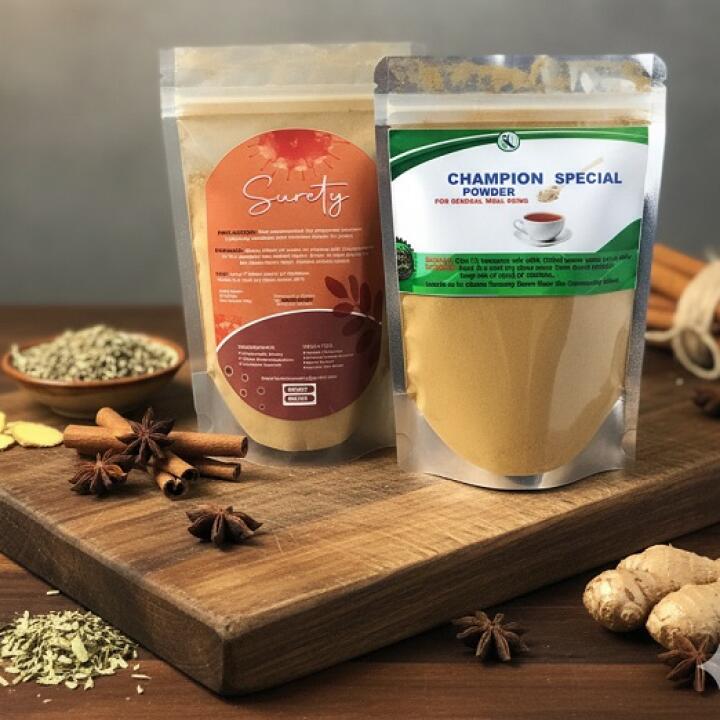
STIs and STDs Treatment Medicine & Supplements for Fast Relief, Ghana
Infectious diseases treatment in Ghana with Surety and Champion Special Powder, FDA approved herbal medicines, plant‑derived remedies, and supplements to cure STIs and...

Place your order and enjoy same day home delivery 🚚
Weight Loss Supplements and Herbal Medicines for Fat Burn, Detox & Full‑Body Cleanse in Ghana
Lose weight and stubborn belly fat, including fat stored deep in your abdominal cavity, with supplements and herbal medicines containing Cogent and Forever Garcinia Pl...

Place your order and enjoy same day home delivery 🚚
Forever C9 Day Cleanse and Fitness Program, Ingredients, Benefits, Uses & Side Effects
Forever C9 in Ghana is a nine-day cleansing, weight management, detox, and fitness program that burns fat, detoxifies, and restores overall body balance. Forever C9 pr...
1. Register Your Business and Brand Properly
Your first legal protection comes from properly registering your business. If you haven't registered your business name, someone else owns it legally, including your website domain or social media accounts.
What to do:
Register your business name with the right government office.
Secure your domain name early.
Trademark your business name, logo, or product names to keep your brand unique and safe.
2. Protect Your Intellectual Property Online
In the digital world, your content, products, software, or inventions can be stolen, copied, or used wrongly very easily.
What to do:
Use copyrights to protect original content like blogs, videos, or artwork.
File for trademarks to protect your brand name, logo, or tagline.
Use patents if you’ve developed a unique product or invention.
Make it clear that your content is protected and add copyright notices to your website.
3. Use Official Contracts Even Online
Featured in This Article
See all → Sexual performance and ED supplements in Ghana that boost nitric oxide for better blood flow, support testosterone for stronger li......
GH¢772
 Fibroid treatment with supplements and herbal medicines that help shrink tumors and relieve heavy bleeding and related symptoms by......
GH¢3,500
 Forever C9 is a nine-day cleansing, weight management, detox, and fitness program that burns fat, boosts energy, promotes detoxifi......
GH¢2,130
 Forever Aloe Vera Gelly is a soothing, moisturizing gel made with pure aloe vera. Aloe Vera Gelly helps calm skin irritations, hyd......
GH¢273
 Ovarian cyst treatment medication with supplements and herbal medicines that regulate hormones, prevent new cysts from forming, re......
GH¢1,800
 Arthritis treatment medicine in Ghana with supplements, herbal medicines, topical creams, joint health ingredients, vitamins and m......
GH¢2,500
 Erectile dysfunction, premature ejaculation and sexual weakness treatment with Multi-maca, Bee Pollen and Calcium supplements. The......
GH¢772
 Forever Living Products Argi+ Plus L-Arginine & Vitamin Complex helps promote healthy blood circulation, heart function, and daily......
GH¢1,402
 High blood pressure (Hypertension) treatment with supplements and herbal medicines formulated with CoQ10, L-Arginine, Arctic Sea O......
GH¢1,850
 Fonio in Ghana is a nutritious ancient African grain beneficial for diabetes and blood sugar management, heart and immune health,......
GH¢50
 Surety is an FDA-approved herbal medicine in Ghana that fights infectious diseases naturally. This powerful blend of Anthocleista......
GH¢500
 C1 Powder is an FDA approved herbal medicine in Ghana for pain management, joint pain, sciatica, inflammation, heart disease, diab......
GH¢500
 Cogent Detox Program is an effective herbal medicine for natural cleansing and weight loss. It removes toxins, improves digestion,......
GH¢500
 Joint, sciatica, and nerve pain relief and treatment in Ghana, with herbal medicines, supplements, physical therapy, and topical c......
GH¢1,800
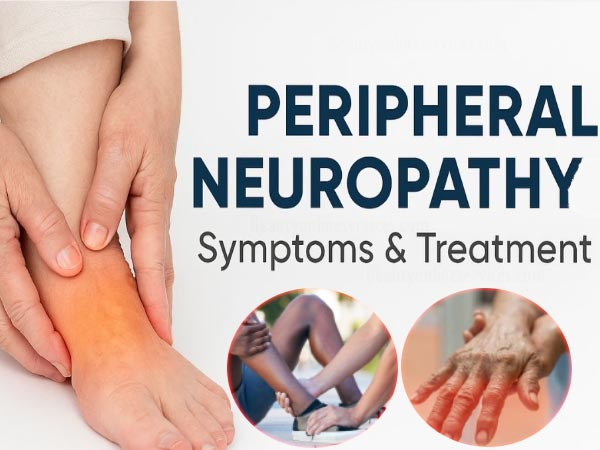 Nerve damage treatment with diagnosis and research, nutrient-rich supplements, physiotherapy, and herbal medicines for nerve repai......
GH¢1,800
 Heart disease treatment in Ghana, formulated with supplements and herbal medicines to help lower blood pressure, reduce cholestero......
GH¢2,500
 Joint pain treatment in Ghana with supplements and herbal medicines to relieve all types of joint pain, reduce inflammation, block......
GH¢1,800
 Forever Active HA is a dietary supplement that combines hyaluronic acid, ginger oil, and turmeric to boost joint health, skin hydr......
GH¢629
Whether you are hiring freelancers, working with vendors, or providing services to clients, every agreement should be in writing even if it is virtual.
What to do:
Always use written contracts, signed electronically if needed.
Include clear terms on payment, deadlines, who owns what content, and how to handle disagreements.
Use online signature tools like DocuSign or Adobe Sign because they are easy to use and legally sound.
4. Create Website Legal Policies
If your company has a website or app, you need to put up certain policies that protect both your business and your users.
Some of the most important legal pages are:
Privacy Policy: Explains how you collect, use, and keep personal information safe. Required by law in many countries.
Terms and Conditions: Sets the rules for using your site or services.
Disclaimer: Limits your responsibility, especially if you give advice, health info, or financial content.
5. Protect Customer Data Legally
Customer data leaks can damage a business's reputation and lead to lawsuits or government fines. Most countries now have strong data protection laws like GDPR (Europe) or NDPR (Nigeria).

Do the following:
Collect only what you need.
Ask for user permission before collecting personal info.
Use safe platforms for storing data.
Tell users about their data rights.
6. Obey Digital Advertising Laws
Online advertising works, but it's also regulated. False claims, spam emails, or using user data without permission can land your business in legal trouble.
Do this:
Be honest in all promotions and advertisements.
Be transparent about collaborations, sponsorships, or paid content.
Respect unsubscribe in email marketing.
Follow advertising rules for your country or area.
7. Protect Your Online Payments and Transactions
If you are selling products or services online, your payment process must be technically and legally safe to avoid chargebacks and fraud.
What to do:
Use well-known payment processors like PayPal, Stripe, or Flutterwave.
Use SSL certificates to encrypt websites.
Make sure your refund and cancellation policy is clear.
Keep transaction records for all transactions online.
8. Maintain a Cybersecurity Policy
Even small businesses can be victims of hacking, phishing, or ransomware. You could face legal problems if customer information gets out or your system is used for financial crime.
What to do:
Train your employees on cybersecurity best practices.
Use antivirus software and firewalls.
Regularly change passwords and manage who has access.
Develop a data breach or cyber event response plan.
9. Understand and Obey Local and International Laws
When you do business online, you might have customers or partners in other countries or regions. Laws vary greatly from place to place.
What to do:
Know which laws apply to your online services.
If you export, follow import/export, tax, and privacy laws.
Work with a lawyer who knows about e-commerce or international business law.
10. Get Advice from a Business Lawyer
The Internet is constantly changing, new laws are constantly being made to regulate online activities. Relying on old methods or copying other websites could put you at legal risk.
What to do:
Have your website, contracts, and business practices checked by a lawyer.
Keep up with changes in online law for your industry.
Consult with a lawyer before launching a new product or service online.
In today's digital world, protecting your business is not just about physical locations, it is about every email you send, file you upload, and transaction you process online. Ignoring digital legal safety can be very costly: you could lose information, damage your reputation, face lawsuits, or get fined. Being proactive with legal matters for your online business is not just good for you it also helps build trust with customers, partners, and investors. Start with the basics, be informed, and where in doubt, seek the advice of an expert.
Love Forever products? Buy them at a discount and share with loved ones
Join my team as a Forever Business Owner (FBO): buy below retail for your family, earn retail profit when you share, and get my support with WhatsApp selling and a ready online shop. Results depend on your own effort and sales.